

Last week, I wrote Surviving Freetown: A City That Refuses to Grow Up. People read it, nodded seriously, complained passionately, shared it, and then returned to business as usual.
Perhaps that is the most Sierra Leonean response possible.
So this week, let us examine ourselves, a nation where we pray like saints on Friday and Sunday, then return on Monday to the unofficial national profession of chap, chap.
Friday and Sunday Saints, Monday Sinners
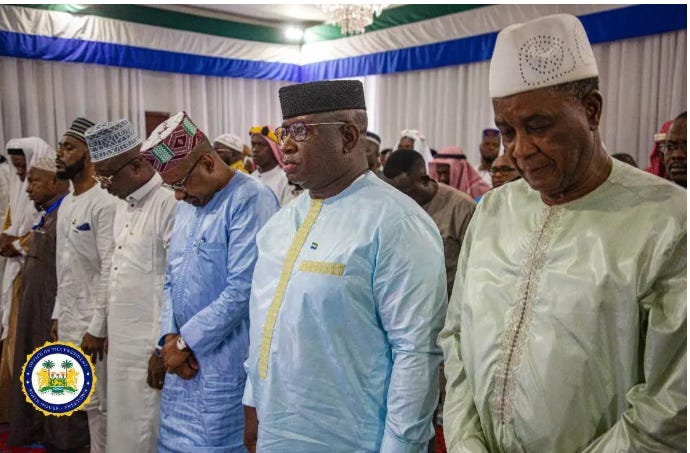
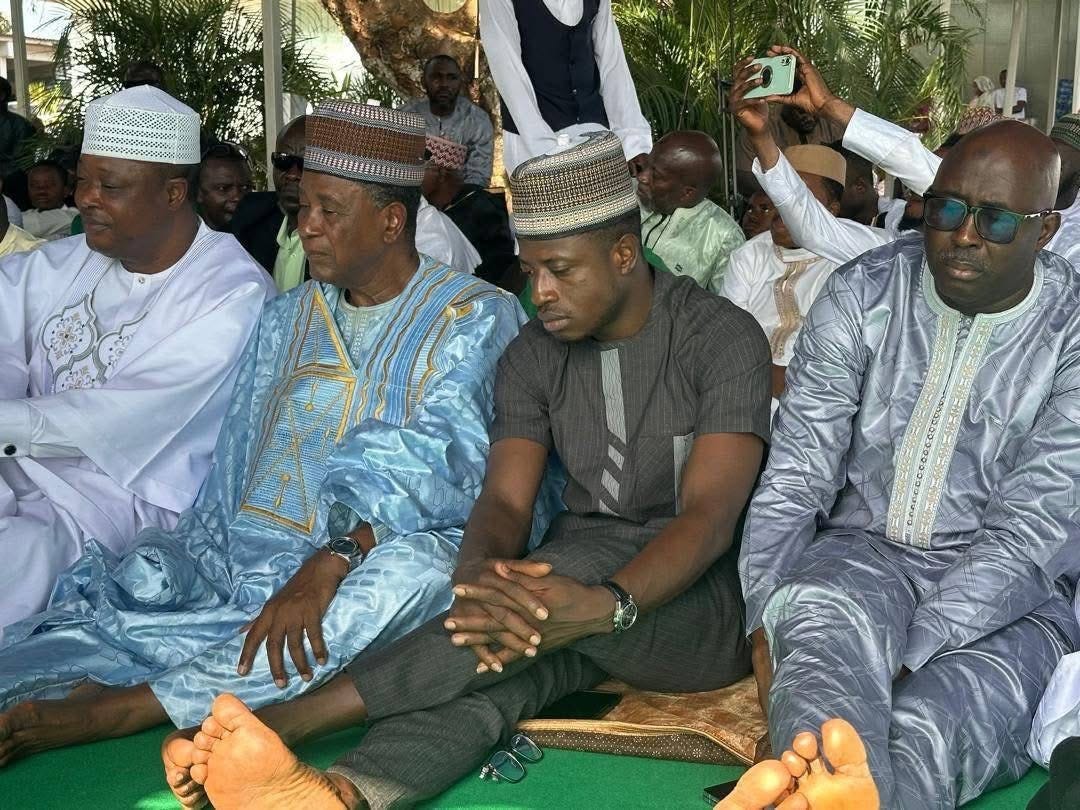
Friday arrives. The mosques are full. White gowns everywhere. Foreheads touch prayer mats. Ameen!
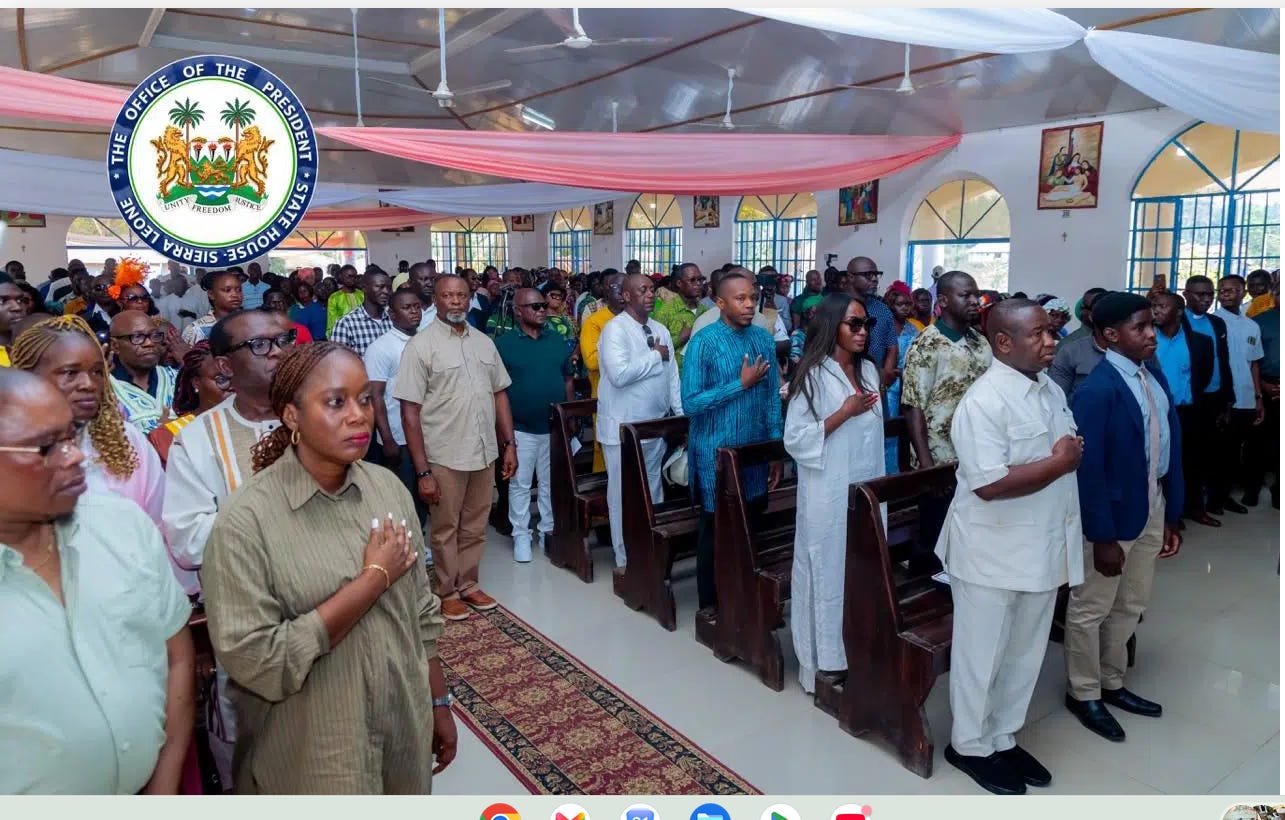
Sunday comes. Churches overflow. Suits and dresses are sharp. The choir is singing, and somebody is receiving a breakthrough. Hallelujah!
Then Monday arrives.
The same man who prayed passionately on Friday is approving a suspicious contract. The woman who danced for Jesus on Sunday is explaining how money meant for schoolbooks somehow developed four wheels and became a Land Cruiser.
We are deeply religious, yet remarkably talented at separating religion from behaviour. The mental gymnastics required to praise God on your knees and rob the state on your feet deserve an Olympic medal. Although somebody might steal the medal too.
Ayi Kwei Armah captured something similar in The Beautyful Ones Are Not Yet Born. Honest people can appear foolish while those eating from the system prosper. Decades later, the joke remains painfully familiar.
The Honest Ones
Not everyone is corrupt. There are lecturers who teach without selling grades or demanding sex. Nurses who care without demanding “encouragement.” Police officers who serve without requesting “transport.” Customs officers who clear legitimate goods without waiting for “something small.” Civil servants who process files without “consideration.” Journalists who report without brown envelopes. These are Sierra Leone’s quiet heroes.
The tragedy is that honesty can look like a bad financial decision. The honest worker watches someone on the same salary acquire three houses, two cars and a lifestyle sponsored by mathematics that refuses to add up.
Then society asks, “You sef, you nor sabi?”
We have made integrity look like foolishness and corruption look like ambition.
We Pray. Others Build.
We pray. We fast. We post Bible verses on Facebook and Islamic quotations on WhatsApp. Then we wake up and do exactly what those quotations warned us not to do.
Meanwhile, countries we sometimes describe as less religious somehow keep the electricity running, the water flowing and the roads functioning.
Perhaps prayer was never supposed to replace competence. Amen is not an infrastructure policy. Hallelujah cannot fill a pothole.
God may provide the blessing, but somebody still has to buy the cement, preferably without invoicing the government for ten bags and delivering three.
Our problems are not always witchcraft, curses or colonialism. Sometimes the uncomfortable answer is us.
The Patriotism We Left At The Airport
Many who return to lead Sierra Leone have lived and studied abroad. They have seen good roads, functioning hospitals, reliable electricity and institutions where “the system is down” is not a national anthem.
While abroad, they were Facebook professors of good governance.
“Salone must change!”
“We need accountability!”
Then the appointment letter arrives.
They land at Lungi with three suitcases, two degrees and enough ideas to transform Africa.
The suitcases reach Freetown.
The ideas do not.
Suddenly, the Facebook revolutionary becomes a government philosopher:
“My brother, these things take time.”
Corruption becomes “an allegation.” Bad roads become “ongoing projects.” Electricity becomes “a national challenge.” But the salary and allowances remain remarkably reliable.
Meanwhile, the wife and children stay abroad enjoying the schools, hospitals and electricity Papa once praised.
Papa comes home to manage the darkness.
And if Salone becomes too difficult, the return ticket is safely kept.
They have seen development, lived in it and enjoyed it.
They simply left the patriotism at Lungi Airport and remembered to collect the luggage.
The Holy Game of Rice Bags
Ramadan arrives, and suddenly the big men discover generosity.
Thirty bags of rice. Fifty bags. One hundred bags.
Before the rice reaches the people, the party bloggers and party pikins are already posting:
“Our Honourable has done it again! A true man of the people!”
Facebook catches fire. WhatsApp celebrates.
Christmas comes. Same movie, different costume.
But nobody asks, Where did the money come from?
You cannot take the people’s goat, return one sausage and expect a standing ovation.
But who has time for accountability when there is free rice?
The politician gives. The religious leader blesses. The party blogger posts. The party pikin shares.
Even the rice is asking:
“Wait. Na whose money buy me?”
Brown Envelopes and Watchdogs
Journalists are supposed to watch power, and civil society is supposed to challenge it. But sometimes a brown envelope arrives and the watchdog suddenly forgets how to bark.
The headline roars. The article develops manners.
Some activists perform even greater miracles. When the other party governs, they shout, “Accountability! Justice! Transparency!”
Then their own party takes office and suddenly they discover meditation.
You wonder whether the microphone is broken.
Then comes the government appointment or consultancy.
Mystery solved.
The microphone was never broken. It was waiting for employment.
The Society That Sold Its Soul
But blaming politicians alone is too easy.
The lecturer sells grades or demands sex. The customs officer suddenly becomes the Minister of Finance:
“The system made the charges, not me. Give me this. Go pay the balance into the government account. Ar don hep you.”
The market trader cheats the customer. The nurse asks for “something small.” The police officer requests “transport.” The immigration officer wants “greetings” before stamping your passport.
Everybody has a name for it.
Just do not call it corruption.
When the powerful steal millions, we call them thieves. When ordinary people steal small amounts, we call it survival. When someone buys a vote with rice, we call it politics.
We cannot build a nation where everyone waits for their turn to take something, then goes to mosque or church and says:
God bless Sierra Leone.
The Two Party Tango
When one party governs, the other suddenly discovers corruption, nepotism and the Constitution. Meanwhile, Alhaji sits at party headquarters, unemployed but politically employed, posting “My government, my president,” while waiting for his turn at the national cake.
His party wins.
Suddenly, Alhaji is Special Adviser to the Minister of Something Important. Six months later, Prado. One year later, mansion in Leicester. Salary, twenty something million. Lifestyle, fifty something million.
Even the calculator says, “Nor put me inside dis.”
Then power changes. Yesterday’s government discovers accountability, yesterday’s opposition forgets it, and another Alhaji starts polishing his spoon.
New party. Same appetite. The national cake just changes tables.
So What Now?
Sierra Leone does not lack prayers. We have enough Ameens and Hallelujahs to reach heaven twice.
What we lack is turning those prayers into honesty, accountability and service.
God may be listening, but the people are still waiting for electricity, water, medicine, jobs and roads.
Until our actions match our prayers, we will remain a nation that knows exactly how to pray like saints and steal like professionals.
Have a blessed week.
